
What A Story Costs

Story is not free. A reflection on the Migration Literary Award, what it revealed, and the road to The Tapestry.
Becoming Is Not Passive. It Is an Ethical Act.
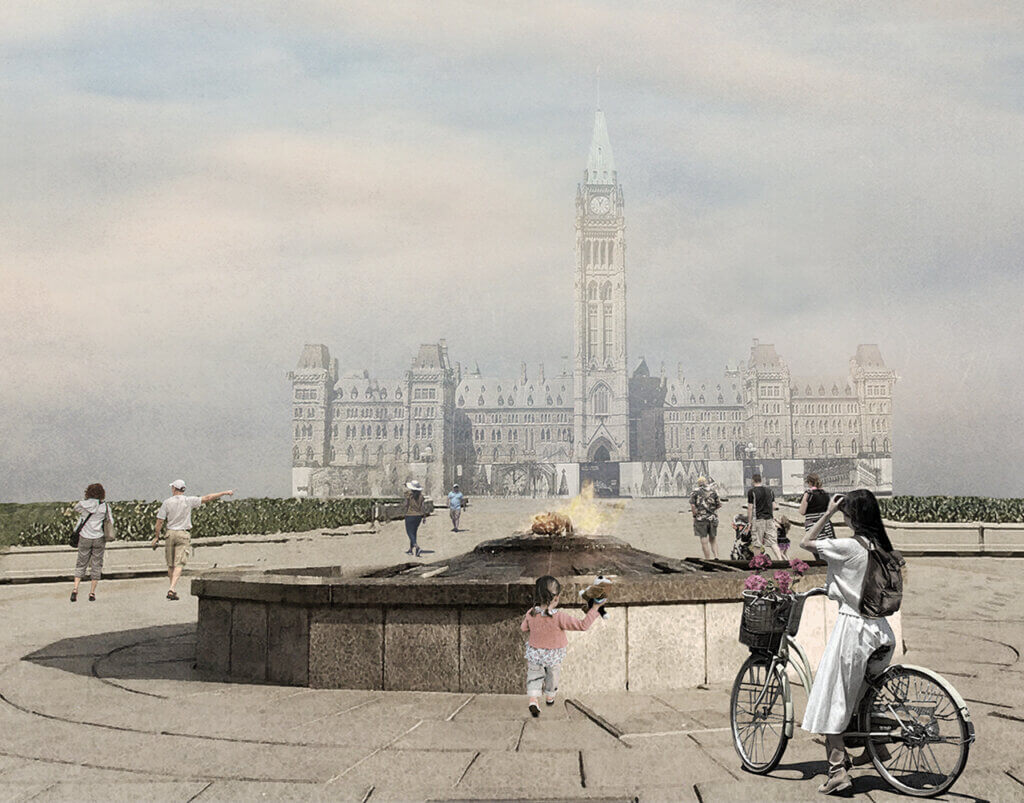
She packed what she could carry, said goodbye to people she didn’t know how to leave, and moved. No photograph at the border. No policy paper written in her name. This March, the Gallery of Human Migration brings together artists, filmmakers, and writers—Sabrina Aureli, Sunny Yi, Leena Minifie, David Paperny, Suzanne Elki Yoko Hartmann, and Keiko Honda—to ask what transformation actually costs. Becoming, they suggest, is not personal growth. It is an ethical act.
A Mirror, Not a Memorial
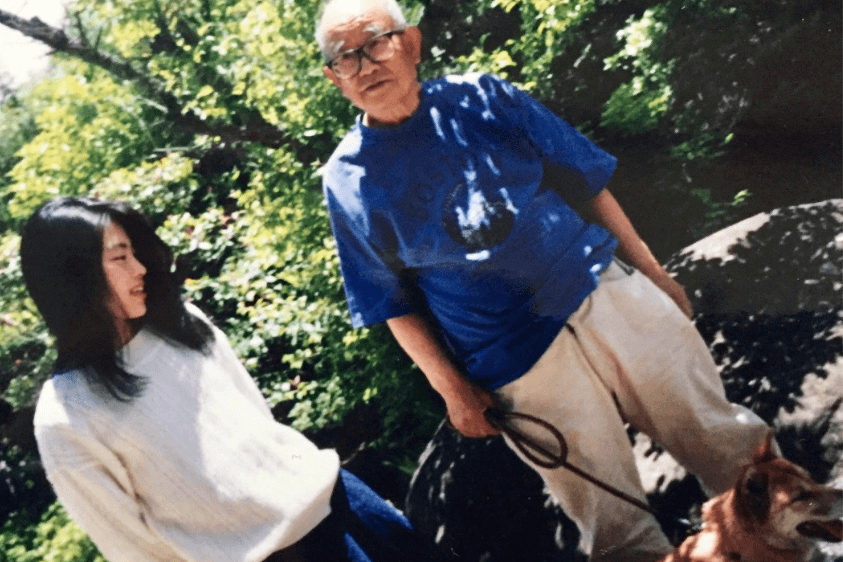
In 1945, a Japanese family stranded north of Korea’s newly drawn 38th parallel survived not through strategy or strength, but because of one Korean ship captain’s quiet, unwitnessed act of compassion. That act is the reason Keiko Honda exists today. In this interview, Gallery of Human Migration Executive Director Nancy Perin speaks with Honda about her grandfather’s translated memoir, The Broken Map Home: Escaping Korea, 1945—and what his story reveals about empire, migration, and the patterns of racial discrimination we are still living inside now.
March 21, and “The Italian Question” documentary

Fear, belonging, and the stories we claim—or don’t. A conversation with filmmaker Sun-Kyung Yi on the migration history hiding in plain sight.
The Nail That Sticks Out: Migration, Memory, and Becoming

In March, the Gallery pauses to reflect on two intertwined truths: that women have long been the stewards of cultural survival, and that the struggle for human rights is inseparable from the histories of migration, displacement, and resilience.
RE:Location Documentary Series

A family receives notice. They have days to pack what they can carry. The place they built — the street, the neighbourhood, the name of the corner where everyone knew everyone — will not be there when they look back. The RE:Location Documentary Series, presented by the Gallery of Human Migration, gathers these stories of forced uprooting: communities erased by policy, by fear, by the quiet violence of progress. What was lost. What was carried forward. What is still asking to be seen.
“The Good Canadian,” an 88-minute Documentary

The Good Canadian challenges national mythmaking, while offering Canadians the chance to forge a new identity from the truth.
Becoming Canadian: Citizens’ Stories

Becoming Canadian: Citizens’ Stories is a compelling and timely documentary that explores the origins and future of Canadian citizenship.
National Histories and Ethnic History in Canada – Prof. Roberto Perin

The question now arises as to whether national history still exists as a category. If so, how many national histories does Canada have? Where do the First Nations and immigrant groups fit into to this (these) national history (histories), or do they have national histories of their own?
College Street, Little Italy: Toronto’s Renaissance Strip

In 2006, the GOHM provided funding for the publication of College Street Little Italy, Toronto’s Renaissance Strip, which was edited by Denis De Klerck and Corrado Paina, 2006, Mansfield Press, on behalf of the Gallery of Human Migration.